„KI ist gekommen, um zu bleiben. Entscheidend ist, dass wir lernen, sinnvoll mit ihr zu arbeiten und sie gezielt einzusetzen.“ — João Silva, Head of Engineering at Consulteer Portugal
KI verändert bereits heute, wie Softwareteams arbeiten. Bei Consulteer Portugal blieb es deshalb nicht bei einer Diskussion über das Thema. Aus der Frage wurde ein konkretes Summer Internship Project.
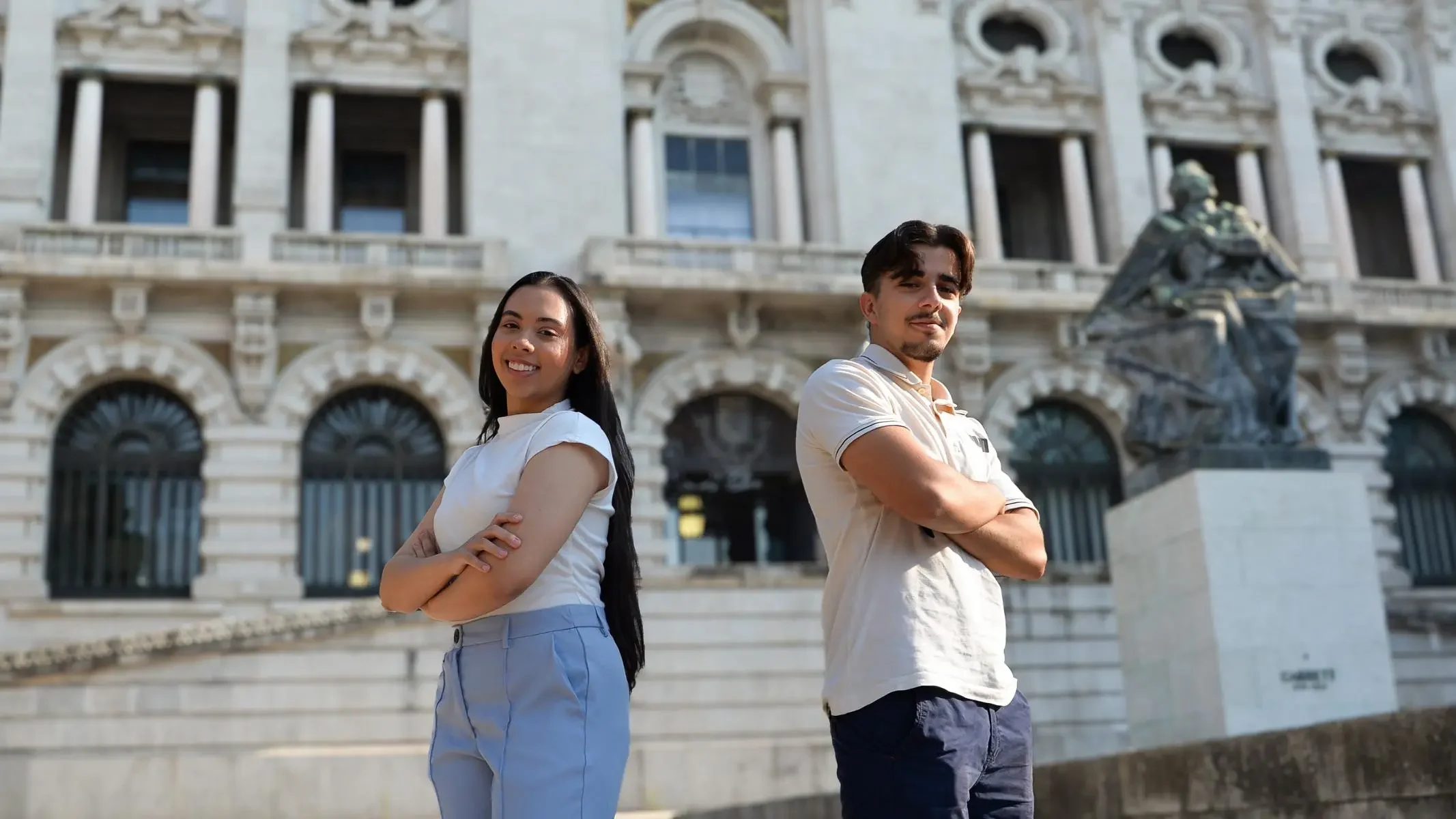
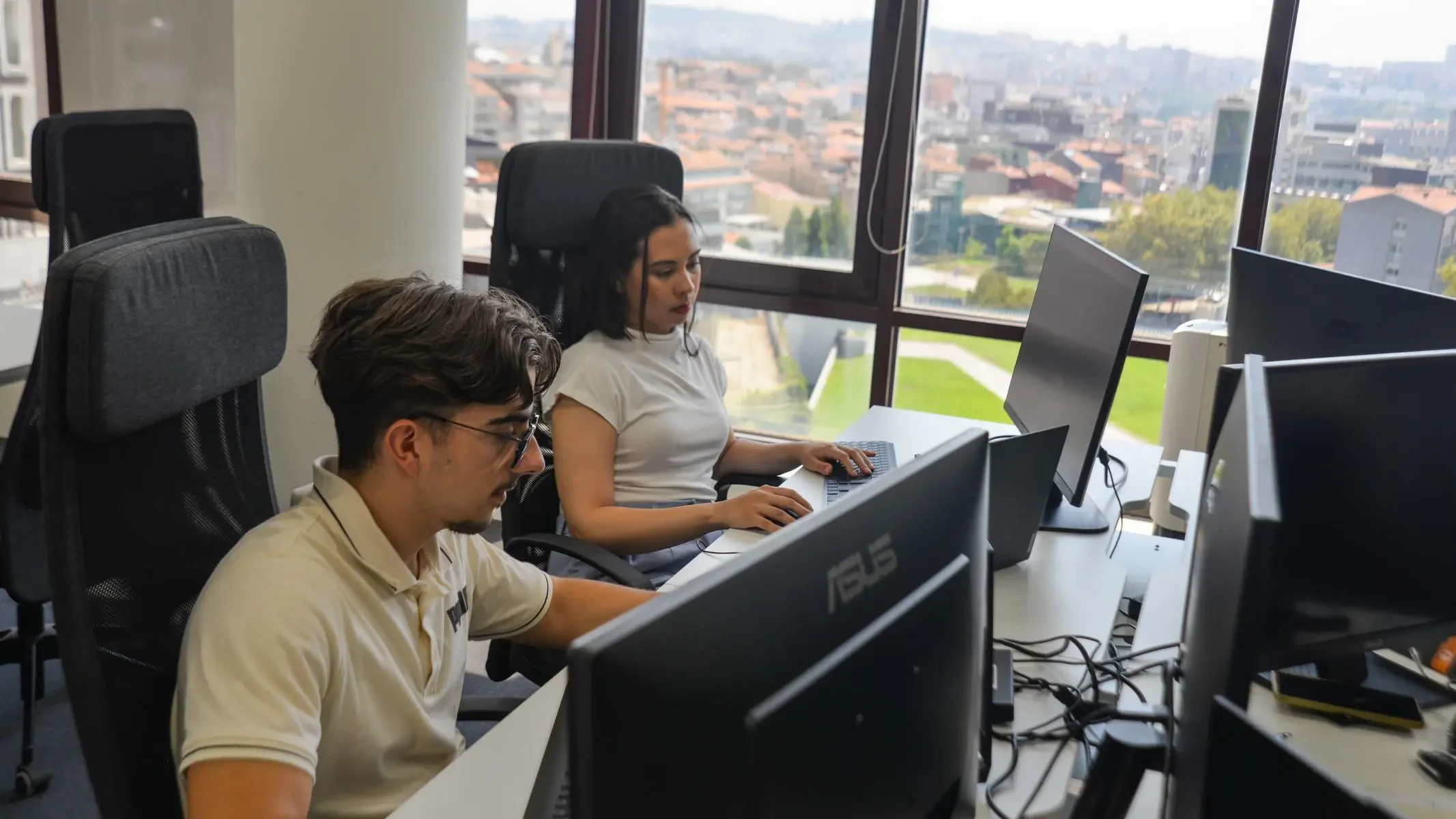
Begleitet von João Silva, Head of Engineering at Consulteer Portugal, beschäftigten sich die Interns Ana Caroline Soares Silva und João Pedro Nunes Ferreira mit einer Herausforderung, die viele Softwareteams kennen: bestehende Codebases verstehen und dokumentieren.
Legacy-Systeme enthalten oft wertvolle Business-Logik. Gleichzeitig ist die Dokumentation nicht immer vollständig, aktuell oder leicht zugänglich. Bevor Teams ein System weiterentwickeln können, müssen sie es erst verstehen.
Genau hier setzte das Projekt an: Kann KI dabei helfen, schneller eine erste Orientierung zu schaffen?
Der Use Case.
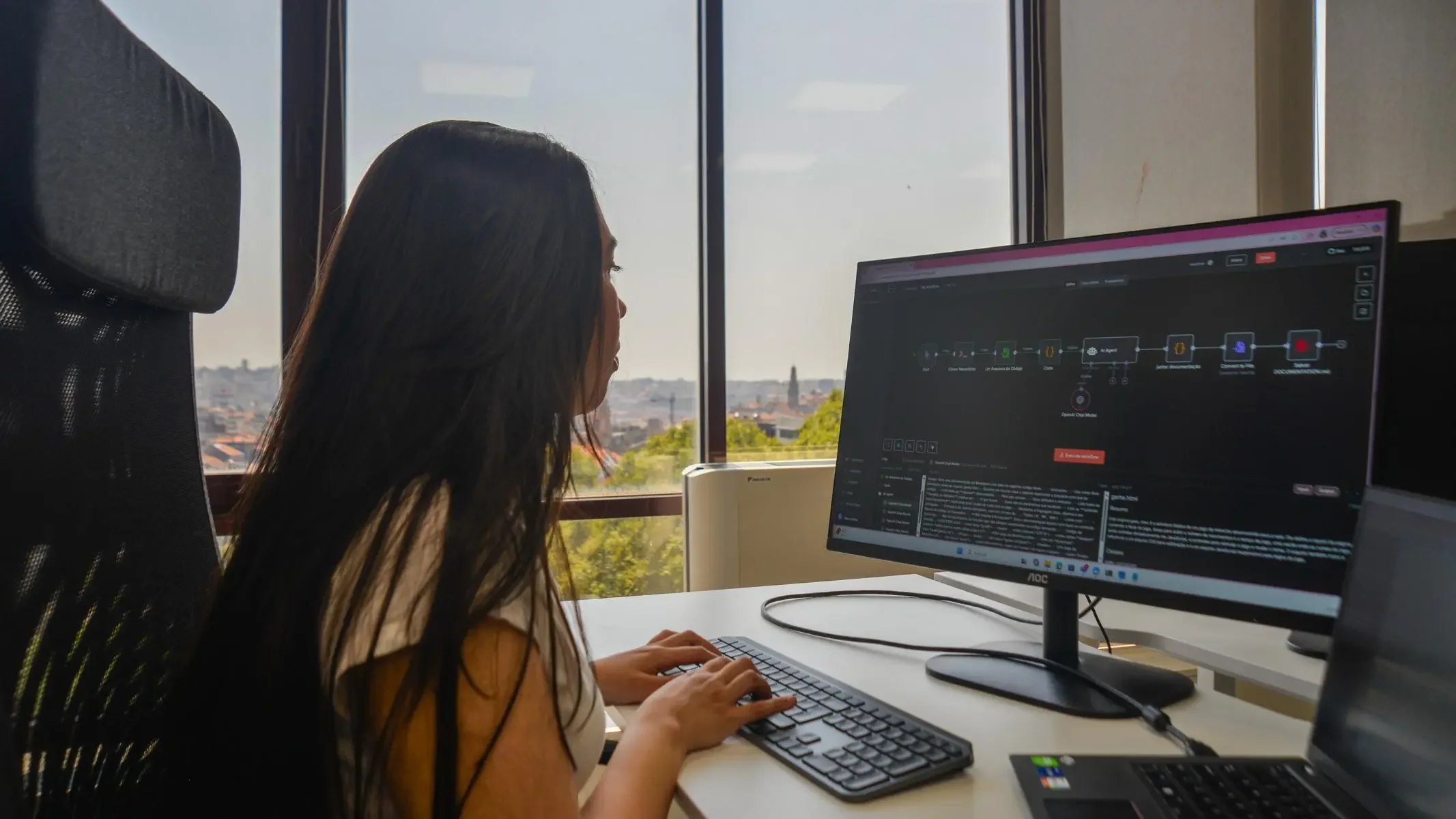
„Die Trainees haben einen Workflow mit KI-Modellen entwickelt, der dabei hilft, Legacy Code zu dokumentieren.“ — João Silva
Ana Caroline und João Pedro arbeiteten mit Code aus GitHub-Repositories. Also mit Codebases, in die sich Teams oft erst einarbeiten müssen, bevor sie etwas verbessern können.
Sie testeten zwei Wege: Low- und No-Code-Tools auf der einen Seite, ein stärker codebasierter Ansatz auf der anderen. Der Vergleich zeigte, wo KI Prozesse beschleunigen kann, wo menschliche Prüfung wichtig bleibt und welcher Ansatz in welchem Kontext sinnvoll ist.
Der Aha-Moment.
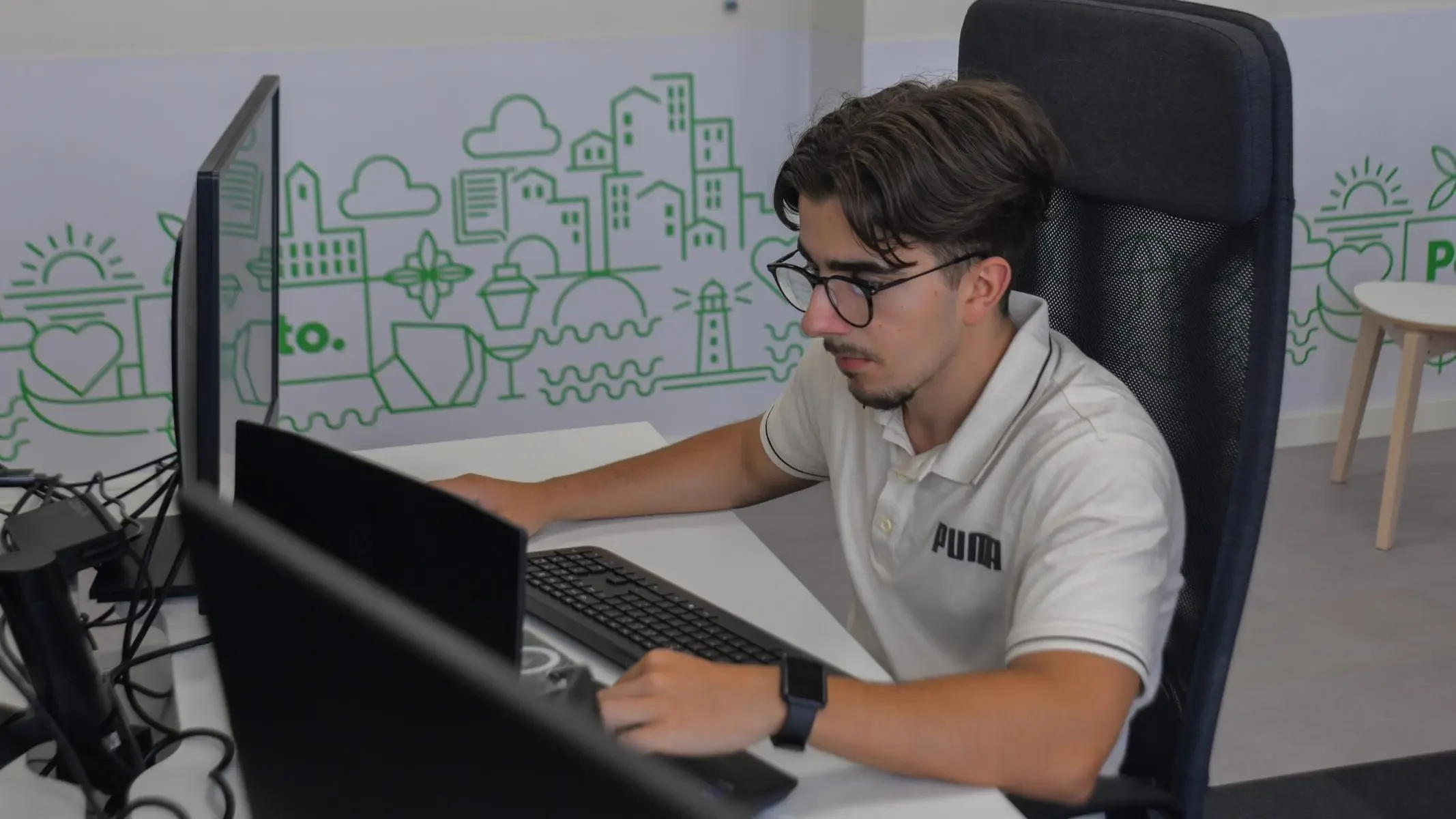
„Als ich den Agent an einem großen Uni-Projekt getestet habe, war das Ergebnis besser, als ich erwartet hatte.“ — João Pedro Nunes Ferreira
Für João Pedro wurde das Projekt greifbar, als er den KI-Workflow an einem eigenen Universitätsprojekt testete.
Das Ergebnis war nichts, was man ungeprüft übernehmen würde. Es brauchte Review, Kontext und menschliches Urteilsvermögen. Aber es lieferte eine hilfreiche erste Struktur und zeigte, wie KI den Einstieg in unbekannten Code erleichtern kann.
Aus einem abstrakten Thema wurde ein Werkzeug, das sich testen, hinterfragen und verbessern lässt.
Der Reality Check.
„Die größte Herausforderung war, mein Projekt in einer Self-Hosted-Umgebung zum Laufen zu bringen.“ — Ana Caroline Soares Silva
KI in einer realen Umgebung einzusetzen, ist selten so einfach, wie es in einer Demo aussieht.
Für Ana Caroline lag die größte Herausforderung darin, ihr Projekt in einer Self-Hosted-Umgebung lauffähig zu machen. Dabei ging es nicht nur um das Tool selbst, sondern auch um Infrastruktur, Zugänge, Abhängigkeiten und Sicherheitsanforderungen.
Genau das machte das Projekt realistisch.
Warum es zählt.
„KI kann Zeit bei repetitiven Aufgaben sparen. So können Teams sich stärker auf kreative Arbeit konzentrieren.“ — Ana Caroline Soares Silva
Es ging nie darum, dass KI Dokumentation vollständig übernimmt.
Spannend war etwas anderes: Sie kann helfen, schneller einen Überblick zu bekommen. Sie kann Code vorsortieren, erste Strukturen sichtbar machen und Teams den Einstieg in eine unbekannte Codebase erleichtern.
Natürlich müssen die Ergebnisse geprüft werden. Kontext bleibt wichtig. Entscheidungen treffen weiterhin Menschen.
Aber wenn KI beim ersten Schritt unterstützt, bleibt mehr Zeit für genau die Arbeit, bei der Erfahrung, Einschätzung und Kreativität gefragt sind.
Learning by doing.
„Die Kollegen sind sehr freundlich. Ich habe mich wohlgefühlt, Dinge auszuprobieren, Fehler zu machen und jeden Tag dazuzulernen.“ — Ana Caroline Soares Silva
Für Ana Caroline und João Pedro war das Sommerprojekt nicht nur ein KI-Thema. Es war ein Einblick in echte Projektarbeit.
Sie probierten aus, verglichen Ansätze und stießen auf technische Grenzen. Nicht alles funktionierte sofort. Manche Dinge brauchten mehrere Anläufe.
Genau das machte die Erfahrung wertvoll: Fragen stellen, testen, Fehler machen und daraus lernen. So wurde aus einem Projekt über KI auch ein ziemlich realistischer Blick darauf, wie Engineering im Alltag funktioniert.


What's next?
„Man muss keine Angst vor KI haben. Man muss lernen, mit ihr zu arbeiten.“ — João Silva
Am Ende ging es nicht um eine fertige Lösung. Es ging darum, zu verstehen, wo KI in der Praxis wirklich hilft.
Ana Caroline und João Pedro testeten ihre Ansätze an echtem Code, mit echten technischen Grenzen und Ergebnissen, die geprüft werden mussten. Genau dort wurde sichtbar, was KI leisten kann und was nicht.
Für Consulteer Portugal ist das der Wert solcher Projekte: Junge Talente arbeiten früh an Fragen, die auch Kundenprojekte prägen. Sie lernen, KI nicht als fertige Antwort zu sehen, sondern als Werkzeug, das man testen, bewerten und richtig einsetzen muss.
Das Sommerprojekt war damit kein Abschluss, sondern ein Startpunkt. Für weitere Tests, bessere Workflows und einen klareren Blick darauf, wie KI Engineering sinnvoll unterstützen kann.
Willst du Teil von Consulteer werden?
Entdecke unsere offenen Stellen. Velleicht wartet Deine nächste Chance schon auf Dich.