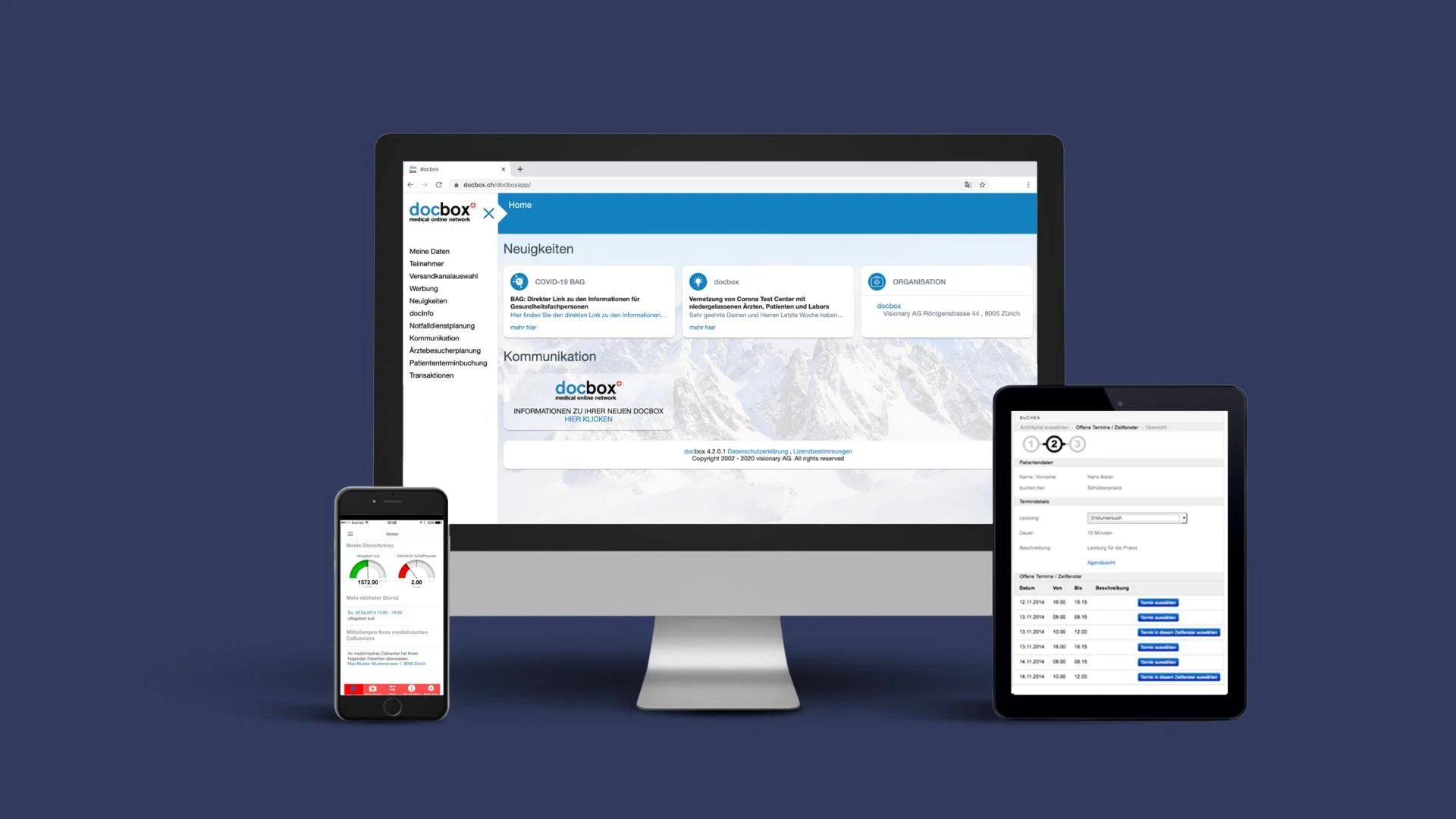
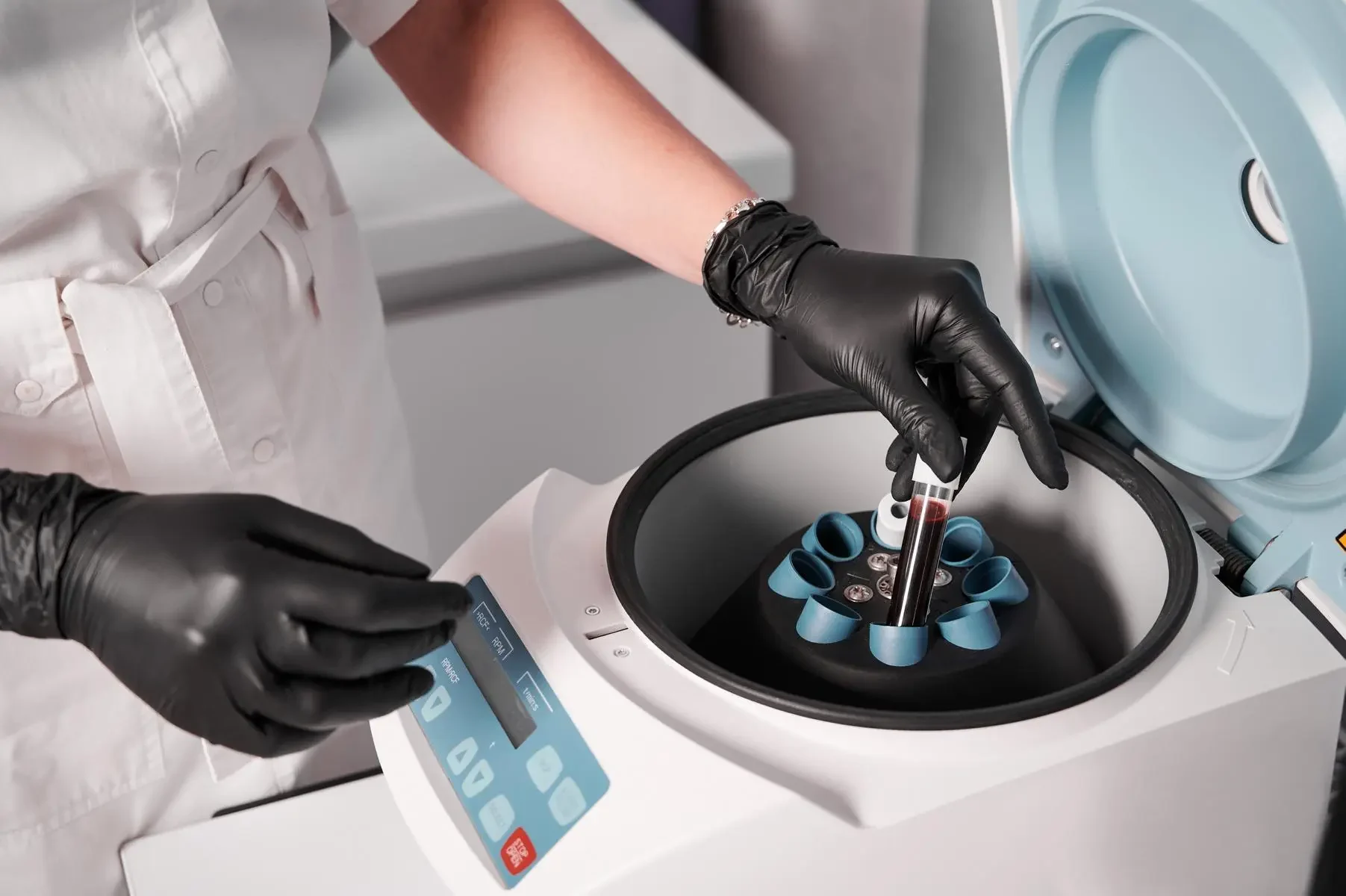
Für einen weltweit führenden Hersteller von Laborgeräten wurde eine neue, digital gesteuerte Mikrozentrifuge entwickelt. Das Produkt vereint hohe Performance mit modernen Bedienkonzepten und richtet sich an professionelle Anwender:innen im Laborumfeld.
Für den Marktzugang in Europa und den USA war ein formaler Nachweis der Gebrauchstauglichkeit gemäß IEC 62366-1 erforderlich.
Consulteer übernahm die vollständige Planung, Durchführung und Dokumentation der summativen Usability-Evaluation – von der Pilotphase bis zur auditierbaren Abschlussstudie.

Zwei Studien. Zwei Kontinente.
Für die Zulassung in Europa und den USA war ein vollständiger Usability-Nachweis erforderlich. Dabei mussten gefährdungsbezogene Nutzungsszenarien im Rahmen der Inbetriebnahme, Bedienung und Wartung überprüft werden.
Die zentralen Herausforderungen:
Koordination zweier internationaler Studienphasen (Deutschland & USA)
Enge Timeline bei gleichzeitig hoher regulatorischer Komplexität
Rekrutierung passender Zielnutzer:innen über Marktforschungsinstitute
Absicherung von Infrastruktur und Geräteeinsatz in Boston & New York
Vollständige Ablage nach MDR, FDA, IEC 62366-1 & ISO 14971
Zweistufige Usability-Evaluation.
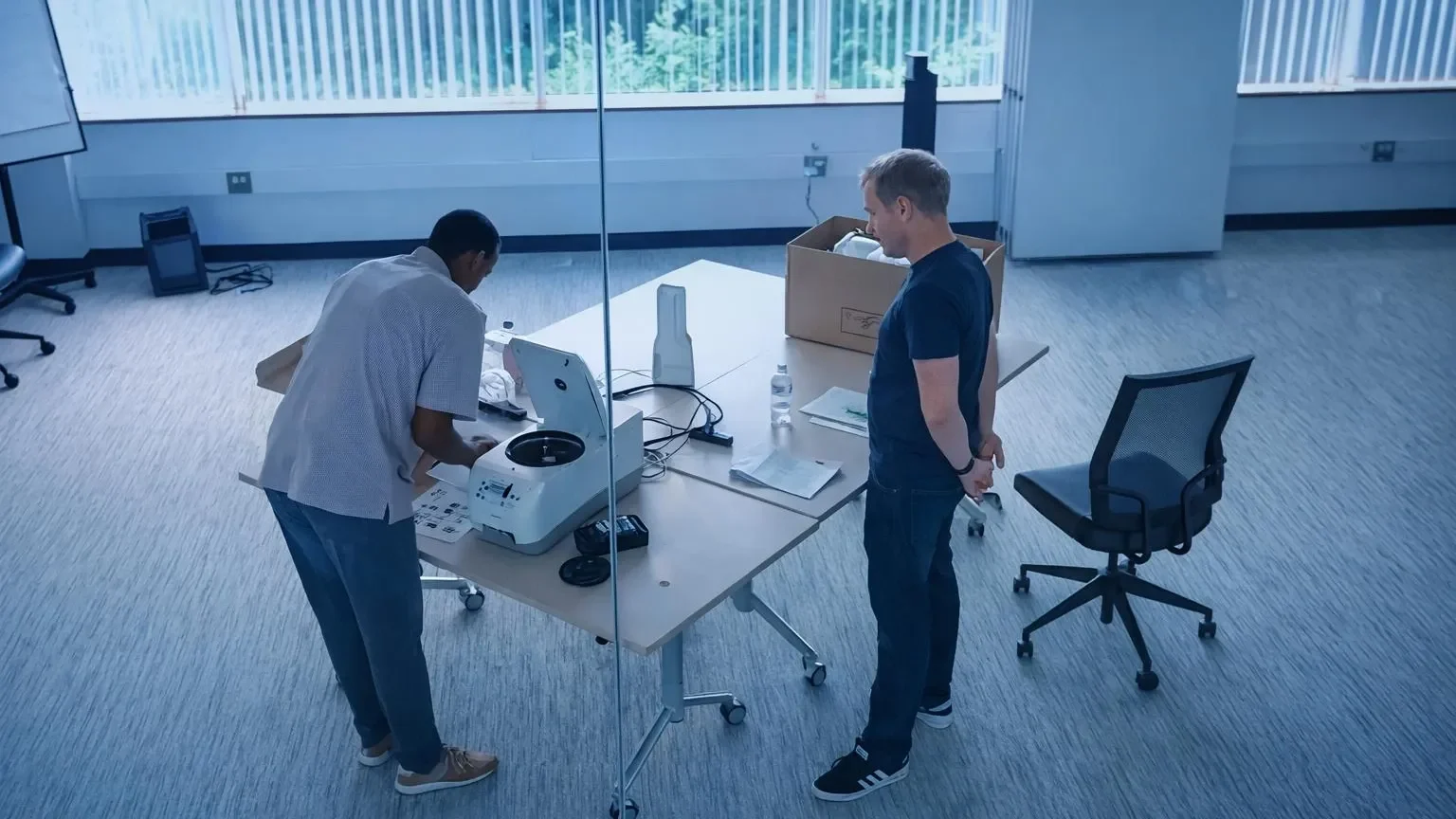
Die Evaluation wurde zweistufig aufgebaut: Zunächst eine Pilotstudie in Deutschland mit 8 erfahrenen Laboranwender:innen zur Validierung des Vorgehens und zur Früherkennung möglicher Usability-Risiken.
Darauf folgte die Zertifizierungsstudie in den USA mit 18 Fachanwender:innen – durchgeführt in professionellen Testräumen in Boston und New York, unter Remote-Zuschaltung von Regulatory, Engineering und QA.
Getestet wurden:
Aufbau und Instandnahme der Zentrifuge
Einsetzen und Beladen des Rotors
Betrieb und Programmierung
Wartung der Zentrifuge

Methodik & Auswertung.
Die Evaluation basierte auf einem strukturierten, normkonformen Studiendesign mit klar definierten Erfolgskriterien und risikoorientierter Auswertung. Alle Tests wurden unter Anleitung erfahrener Moderator:innen durchgeführt – unterstützt durch strukturierte Beobachtung im Vier-Augen-Prinzip sowie standardisierte Protokolle.
Zur Anwendung kamen etablierte Usability-Metriken:
User Rating pro Nutzungsszenario
User Performance basierend auf Success Rate
User Performance basierend auf Time-on-Task
User Performance basierend auf Error-Free Rate
System Usability Scale (SUS) als abschließende Bewertung
Fehlerfreie Validierung. Konkrete Impulse.
Die Studie konnte den zentralen Nachweis erbringen: Alle sicherheitskritischen Nutzungsschritte wurden unter realen Bedingungen nachvollziehbar, fehlerfrei und ohne Risikoereignisse durchgeführt.
Die Ergebnisse erfüllten sämtliche regulatorischen Anforderungen und konnten ohne Iterationsbedarf für die MDR- und FDA-Zulassung verwendet werden. Darüber hinaus lieferten die Erkenntnisse wertvolle Impulse für die gezielte Weiterentwicklung von User Experience und Usability im laufenden Produktlebenszyklus.
Die Ergebnisse:
Fehlerfreie Durchführung aller sicherheitsrelevanten Nutzungsschritte
Kein Risikoereignis, keine Nachschleifen – vollständige Zielerreichung
Integration der Ergebnisse in MDR-/FDA-konforme Dokumentation
Darüber hinaus lieferte das Projekt wertvolle Impulse für die Weiterentwicklung: Erkenntnisse aus der Evaluation konnten genutzt werden, um die User Experience und Usability gezielt weiter zu verbessern und in die kontinuierliche Optimierung der Produktlösung einzubinden.
Mehr als eine Studie.
Consulteer begleitete das Projekt als Full-Service-Partner – von der Protokollerstellung über die Studiendurchführung bis zur finalen Dokumentation.
Die Kombination aus regulatorischem Know-how, Human-Centered Design und methodischer Präzision macht uns zu einem verlässlichen Partner für nutzerzentrierte Medizintechnik.